It Quietly Rewired How Performance Works
2025 did not give us a dramatic Google Ads overhaul. What it did instead was more dangerous. It changed incentives. If you were paying attention, Google started rewarding advertisers who had clean data, fast sites, real intent coverage, and the discipline to guide automation instead of fighting it. Here are the changes that actually mattered and why some accounts suddenly felt easier while others bled slowly.
Ads Appearing Inside AI Search Answers
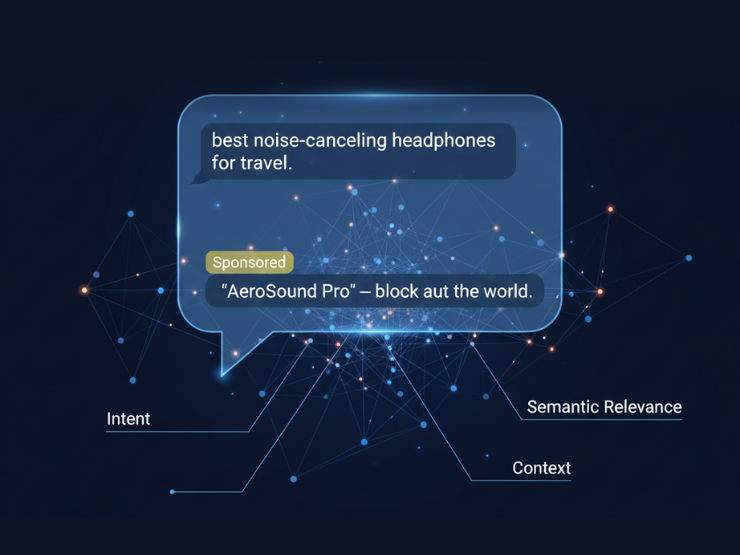
Ads now show within conversational AI results, not just classic search listings. The shift is not placement but relevance logic. Keywords lost dominance while intent modeling and semantic alignment became decisive.
Landing Page Speed Affecting CPC
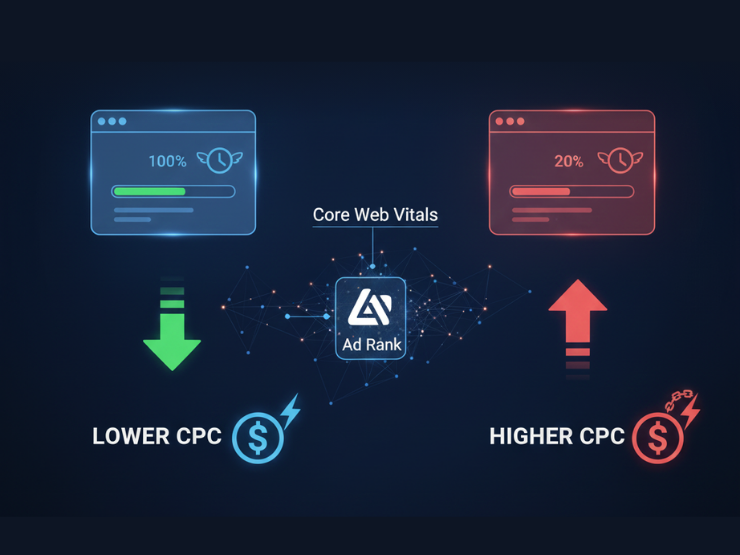
Core Web Vitals now influence Ad Rank directly. Two advertisers can bid the same, but the faster site pays less per click. UX is no longer optional for media efficiency.
Customer Match Data Strength Score
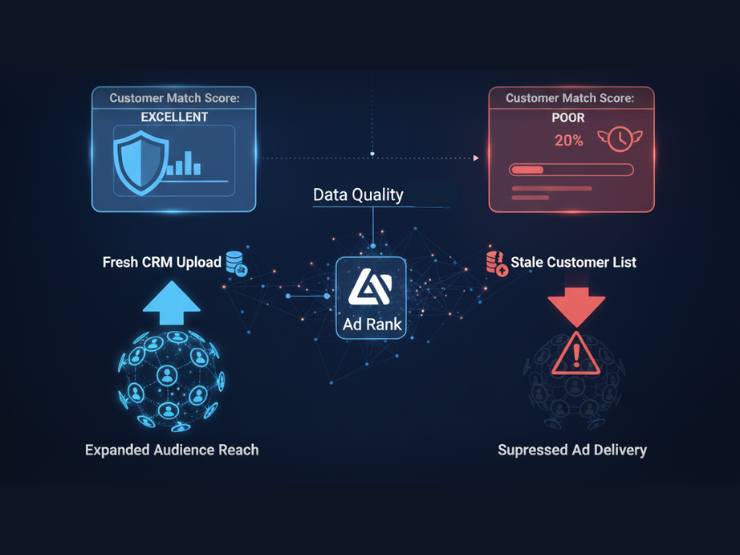
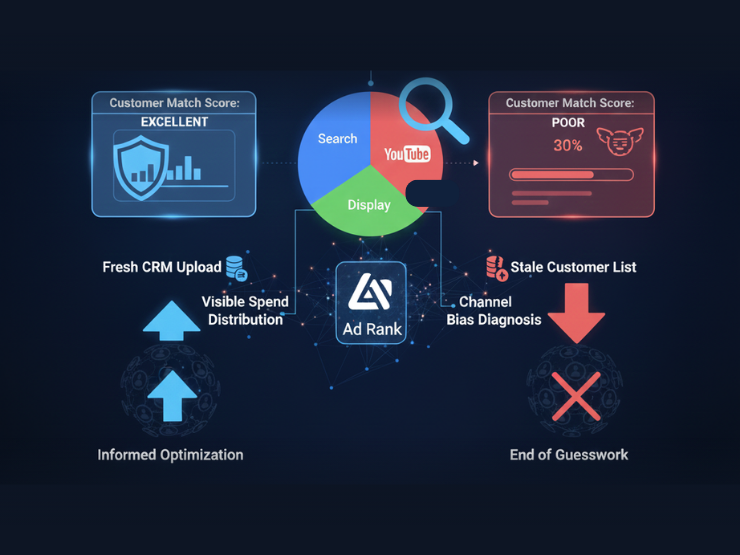
First party data quality is now graded. Fresh CRM uploads expand reach, while stale lists quietly suppress delivery without warnings.
Performance Max Spend Visibility
Spend distribution across Search, YouTube, Display, and Discover became visible. This finally allowed advertisers to diagnose channel bias instead of guessing.
YouTube Shorts as a Separate Channel
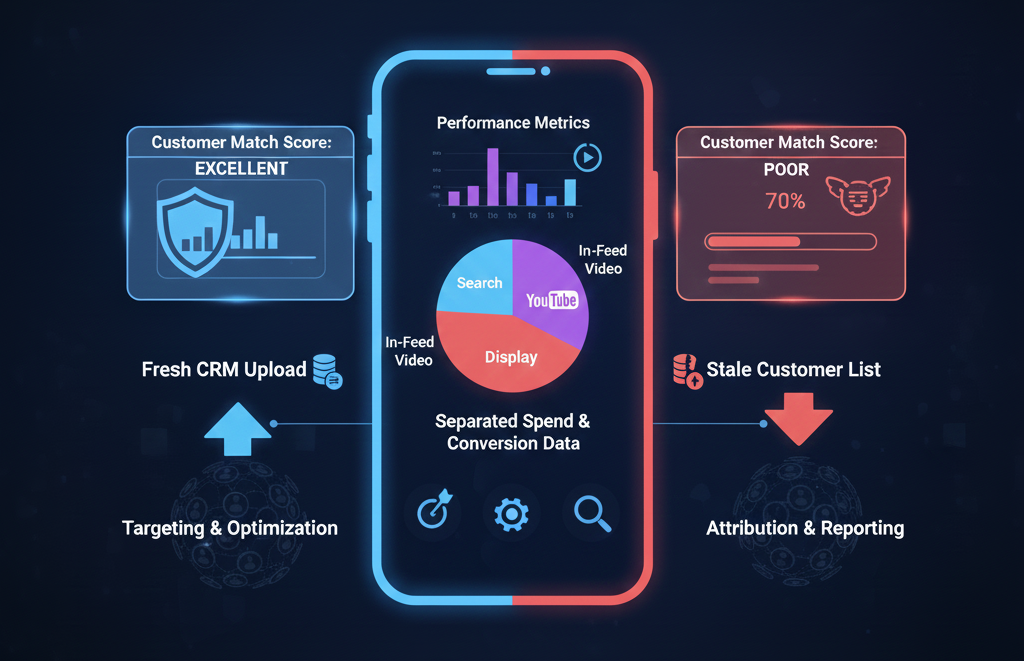
Short form vertical video gained its own reporting behavior. Shorts are now measurable and optimizable as a performance channel.
Broad Match with Competitor Brand Exclusions
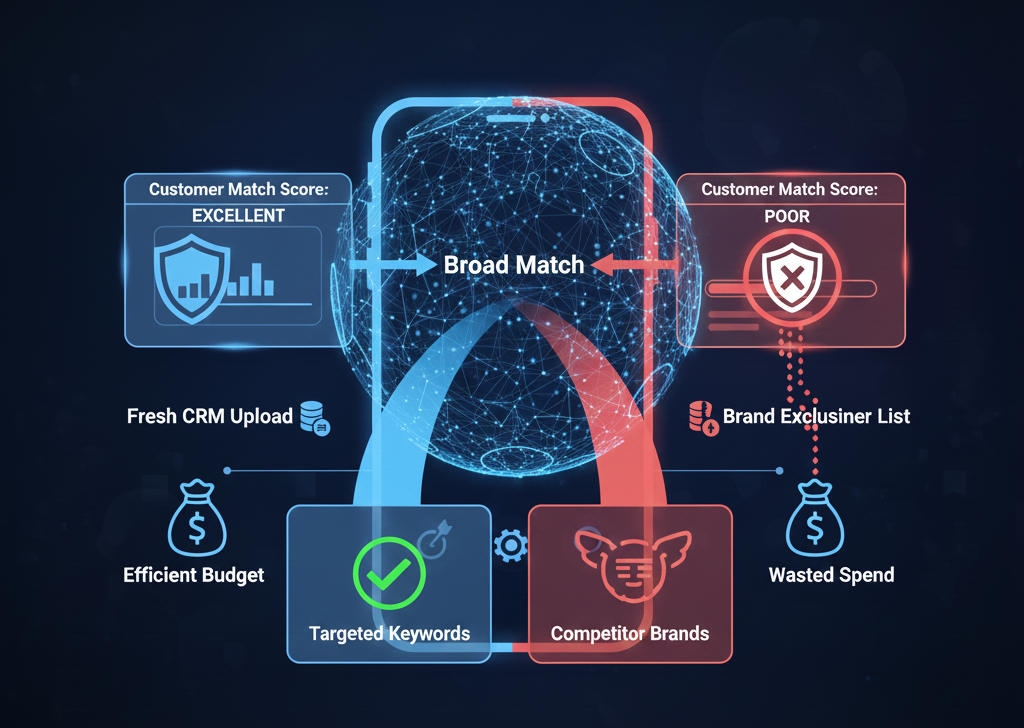
Brand exclusions made Broad Match usable at scale. Budgets stopped leaking into competitor terms unintentionally.

Performance Max Search Themes Becoming Directional
Search Themes now actively influence query matching. PMax shifted from blind automation to guided automation.

Attribution Logic Quietly Changing
New attribution rules and time handling caused reporting drift. Many perceived performance changes were tracking related, not strategic.
AI Creative with Brand Controls
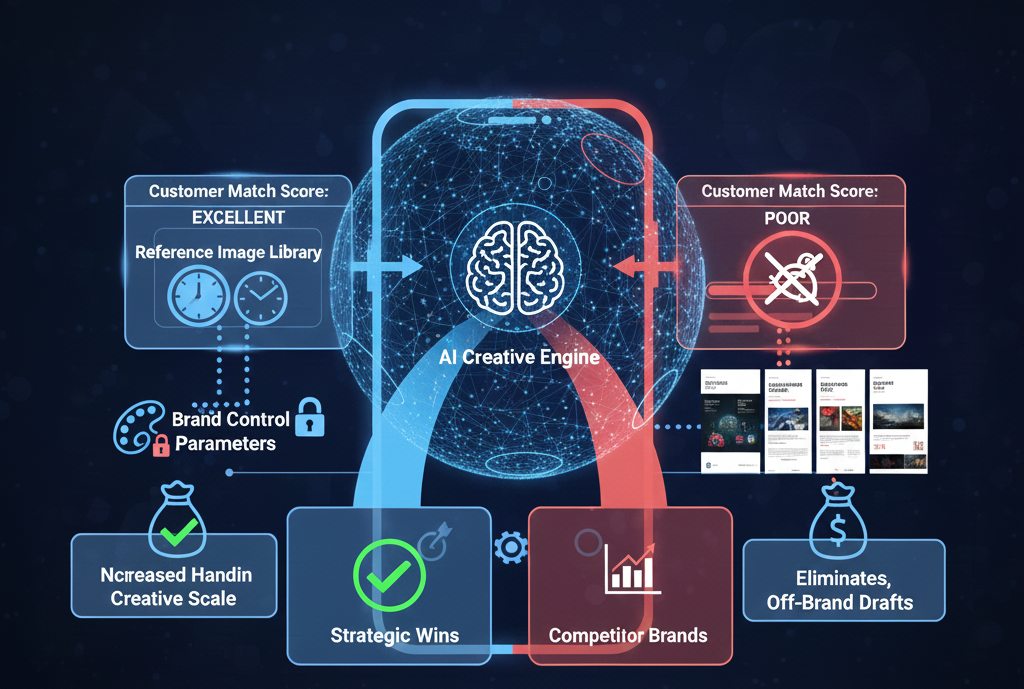
Reference images guide AI generated assets. Creative scale increased while maintaining brand consistency.

Audience Recommendations at Launch
Pre built audiences now appear during campaign setup. Launches are faster but rely more heavily on Google assumptions.

Reduced Search Term Visibility
Privacy thresholds continue limiting query data. Strategy now relies more on intent structure than raw reports.

Conversion Modeling as Default
Modeled conversions fill gaps when consent or tracking is incomplete. Setup quality determines data reliability.

Consent Mode V2 Affecting Performance
Privacy compliance now affects optimization and delivery, not just reporting.
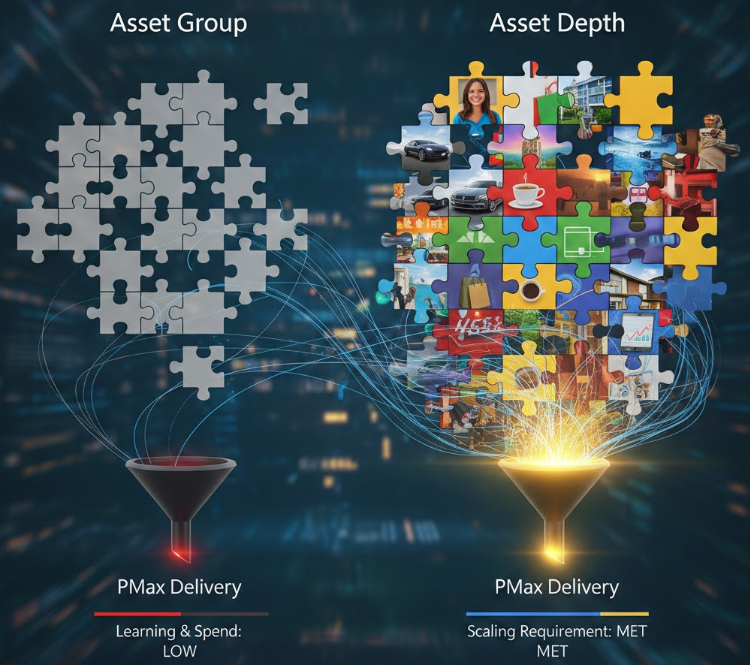
Asset Group Quality Influencing PMax Delivery
Thin creative coverage restricts learning and spend. Asset depth became a scaling requirement.

Stronger Automation Defaults
Auto applied recommendations and smart bidding activate faster. Unmanaged accounts drift more aggressively.